

What Are Advanced Plating Technologies?
Advanced plating techniques are specialized processes that thinly coat a material to improve performance and durability.
One of the primary benefits of advanced plating techniques is their ability to increase the durability of coated components, allowing them to withstand the harshest environments.
Silvex offers a range of advanced plating processes to meet the needs of the end-user, including:
Platinum Plating
Platinum plating creates a thin layer of platinum that is highly uniform and corrosion-resistant. Although it’s most widely known for high-end jewelry, platinum does not tarnish in the air, dissolve in acid, or rust, making it an optimal material in many industries.
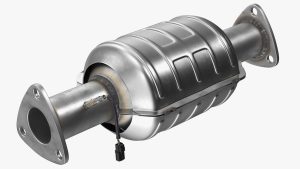
Platinum plating is known for its high melting point, biocompatibility, non-reactivity, and superior electrical conductivity. It’s a favorite of the automobile, aerospace, oil, and explosives industries and the go-to choice for catalytic converters, fertilizer processing equipment, and surgical equipment connectors.
Electroless Nickel
Electroless nickel plating relies on the nickel ions to react with a reagent (like sodium hypophosphite) to create an auto-catalytic reaction. This process creates a uniform, thin coating, even on irregular surfaces and complex shapes.
Electroless nickel coaching provides excellent corrosion resistance and is great for high-use components. Heat treatment can further harden the coating if a more durable finish is desired. Its uniform thickness and strong adhesion to the base material make it an excellent choice for aerospace, automotive, electronics, and oil and gas applications.
Gold Plating
Gold plating is an electroplating process that deposits a thin layer of gold onto the surface of a base metal. The base is immersed in a gold electrolyte solution, and an electrical current is applied. The current causes gold ions to migrate and adhere to the base, creating a highly durable finish.
Gold is soft but chemically inert and resists corrosion, oxidation, and tarnishing. Gold plating is also highly conductive and is commonly used by electronic parts manufacturers in circuit boards and connectors.
Hard Coat Anodizing (Type III Anodized)
Type III Anodizing is a specialized electrochemical process that deposits a thick, dense layer on the surface of aluminum or aluminum alloys. It’s created when a direct current passes through the aluminum, which is resting in a low-temperature sulfuric acid bath.
This process forms a highly durable oxide layer that is thicker and harder than other types of anodizing. Type III Anodized materials are favored for materials that must perform in extreme weather conditions. The aerospace and defense industries use this coating for high-demand equipment like landing gears, hydraulic cylinders, weapons, and brake components.
Let Silvex Create A Custom Solution For Your Advanced Plating Needs
Our family-owned company has been leading the plating industry since 1968. We offer a wide variety of finishes processed to ISO 9001:2015, NADCAP, AS91000D, and numerous other company standards for the defense, aerospace, power generation, hotel ware, and medical industries.
To learn more about leveraging advanced plating technologies in your manufacturing process, please contact us today for a free consultation!
 Get In Touch
 Directions
 Work With Us
 Our News